
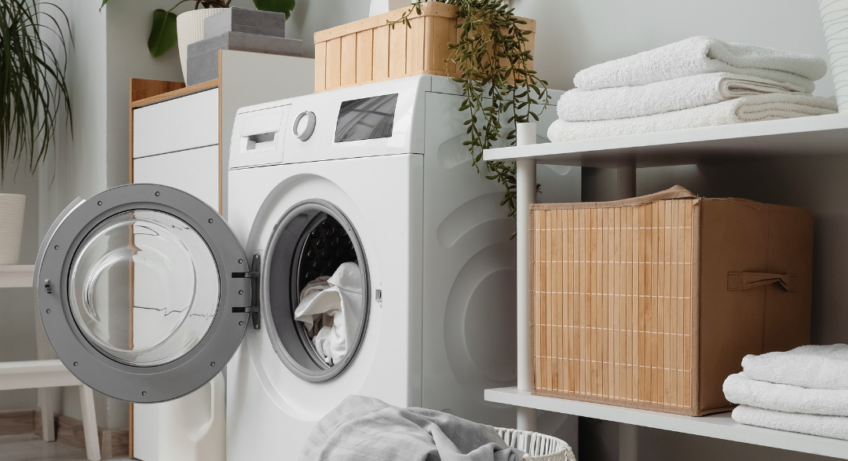
Organizing a laundry room makes daily chores more efficient and less stressful. Clear sorting bins, designated spaces for supplies, and proper storage solutions create a smooth workflow. The key to an organized laundry room is having functional zones tailored to sorting, washing, drying, and folding.
Using vertical space with shelves or hooks can free up floor area and keep essentials within reach. Labeling containers helps maintain order and speeds up the process. Small changes like these transform clutter into calm.
A well-organized laundry room saves time and effort, making laundry less of a hassle. This guide will help you create a system that works for your space and lifestyle.
Assessing Laundry Room Needs
Understanding the space available, appliances required, and storage demands lays the groundwork for efficient organization. Accurate assessment prevents overcrowding and ensures the room functions smoothly for daily tasks.
Evaluating Room Size and Layout
Measure the length, width, and height of the laundry area precisely. Note locations of doors, windows, vents, electrical outlets, and plumbing connections. This helps in visualizing usable space and planning appliance placement.
Consider traffic flow to avoid bottlenecks. A narrow room might benefit from stacked appliances, while a spacious room allows side-by-side machines with folding counters. Sketching a floor plan or using design software can clarify spatial constraints.
Identifying Essential Appliances
List must-have appliances like a washer, dryer, and possibly a utility sink. Consider capacity options based on household size. Larger families usually need machines with higher load capacities.
Energy efficiency ratings impact utility costs and environmental footprint. Modern appliances often have features such as steam cycles or quick wash options. Decide if additional equipment, like an ironing station or drying rack, fits your routine.
Determining Storage Requirements
Inventory laundry supplies, from detergents to stain removers and cleaning tools. Group items by frequency and type of use to prioritize storage access. Use clear bins or labeled containers for organization.
Plan for sorting hampers, folding surfaces, and space to hang clothes. Vertical storage solutions like wall-mounted shelves or cabinets save floor space. Account for seasonal items like heavy fabric softeners or spare linens.
Optimizing Laundry Room Layout
A well-organized laundry room maximizes efficiency by carefully positioning appliances, managing airflow and light, and providing practical workspaces. This enhances comfort and speeds up laundry tasks.
Arranging the Washer and Dryer Efficiently
Place the washer and dryer side by side to streamline transferring clothes. If space is limited, stacking units can save floor area, but ensure the stacking kit is securely installed.
Leave at least 6 inches of clearance around machines for maintenance access and airflow. Position appliances near plumbing and electrical outlets to minimize hose and cord length.
Consider the direction of door swings for both machines to avoid interference. Align units so you can easily load and unload with minimal bending or twisting.
Ensuring Proper Ventilation and Lighting
Effective ventilation prevents moisture buildup that can cause mold and mildew. Use a vented dryer system with a rigid or semi-rigid metal duct directed outside.
Add an exhaust fan if the room lacks natural airflow, especially in smaller or enclosed spaces. Maintain clearance around vent openings to promote adequate air exchange.
For lighting, combine overhead LED fixtures with task lights over work areas. Bright, cool white bulbs improve visibility for sorting and stain treatment.
Creating Space for Sorting and Folding
Designate a flat surface close to appliances for sorting and folding laundry. A countertop above the washer and dryer can serve this purpose without using additional floor space.
Use divided bins or baskets for sorting clothes by color, fabric, or washing instructions. Label containers clearly to simplify sorting.
Keep folding space free of clutter and within a comfortable height range to reduce back strain during use. Adding shelves or drawers nearby helps store detergents and accessories neatly.
Smart Storage Solutions
Maximizing vertical space and using enclosed storage options can greatly enhance organization. Choosing adaptable systems tailored to laundry essentials ensures both efficiency and tidiness.
Utilizing Cabinets and Shelving
Cabinets offer concealed storage, keeping detergents, fabric softeners, and cleaning supplies out of sight. Opt for adjustable shelves inside cabinets to accommodate tall bottles or small boxes.
Open shelving works well for frequently used items. Clearly labeled bins or baskets on shelves prevent clutter and make items easy to find. Position shelves above the washer and dryer to save floor space.
Use moisture-resistant materials to avoid damage from humidity. Consider installing cabinets with soft-close doors for quieter operation. Combining closed cabinets with open shelving balances accessibility and neatness.
Installing Wall-Mounted Racks
Wall-mounted racks free up floor area and provide dedicated spots for laundry tools. Hooks can hold brushes, dusters, or reusable bags to keep them organized and within reach.
Install a foldable drying rack to hang delicates or air-dry items without taking up permanent space. A pegboard wall section allows customization with various hook sizes for different items.
Place racks near the washer and dryer to streamline workflow. Use sturdy materials and secure anchors to support weight. Wall racks help maintain a clean and spacious laundry room by utilizing underused surfaces.
Organizing Supplies and Essentials
Keeping laundry supplies accessible and tidy improves efficiency. This involves specific storage strategies for detergents and cleaning products. Proper placement of laundry baskets and clear labeling of containers also contribute to a well-organized space.
Managing Detergents and Cleaning Products
Store detergents and cleaning products on sturdy shelves or inside cabinets near the washer. Use clear, airtight containers for powders and pods to protect them and reduce clutter. Avoid overcrowding shelves to prevent spills or accidents.
Keep hazardous products like bleach out of reach of children. Use a small caddy or portable bin to transport supplies easily between the laundry room and other areas. Group similar items together, such as stain removers or fabric softeners, for quick access.
Storing Laundry Baskets and Hampers
Designate a specific spot for each laundry basket or hamper based on sorting needs—such as lights, darks, and delicates. Stackable baskets or collapsible hampers save space when not in use. Choose baskets made from lightweight, breathable materials to prevent odors.
Place baskets near the washing machine to streamline the loading process. If space allows, use wall hooks or shelving to store empty baskets vertically. This keeps the floor clear and makes the room easier to navigate.
Labeling Containers and Bins
Use labels on containers and bins to quickly identify contents like detergent, dryer sheets, or clothespins. Labels should be clear, concise, and durable—waterproof labels or laminated tags work well in humid environments.
Consider a labeling system with colors or icons for quicker recognition, helpful for families or shared laundry rooms. Keep labels uniform in size and style for a cleaner visual impact. Proper labeling reduces time spent searching and helps maintain organized supplies.
Maximizing Small Laundry Rooms
Optimizing a small laundry room requires careful choice of appliances and smart use of flexible accessories. Prioritizing compact designs and multifunctional storage solutions helps create an efficient, clutter-free space.
Selecting Space-Saving Appliances
Choose front-loading washers and dryers to save space, as they can be stacked vertically. Stackable units free up floor space for storage or folding areas. Compact models around 24 inches wide fit better in narrow spaces without sacrificing capacity.
Look for appliances with multiple functions. Washer-dryer combos eliminate the need for two machines. Energy-efficient models reduce running costs and heat output, which is crucial in confined areas.
Consider built-in cabinetry or surrounds to integrate appliances seamlessly into the room. This adds a cleaner look and provides additional surface space.
Using Foldable and Stackable Accessories
Foldable drying racks and ironing boards can be stored away when not in use, minimizing clutter. Wall-mounted foldable shelves offer extra storage without reducing floor area.
Stackable laundry baskets or bins help organize clothes by color or wash type. When stacked, they use vertical space efficiently.
Use hooks or pegboards to hang smaller items like brushes, clothespins, or bags. These accessories keep essentials accessible without occupying counter space.
Maintaining an Efficient Laundry Space
Keeping a laundry room organized requires regular upkeep and strategies to control mess. Consistency in cleaning and managing daily habits helps maintain order and maximizes space usability.
Establishing a Cleaning Routine
Set specific days each week to wipe down surfaces, clean the washer and dryer, and empty lint traps. This prevents the buildup of dust, detergent residue, and lint, which can cause malfunctions or hazards.
Use a checklist to track tasks such as sweeping floors, disinfecting hampers, and checking supply inventory. Consistent cleaning maintains hygiene and extends the life of appliances.
Assign zones for sorting and folding. Clear counters and baskets after each laundry session to avoid residue and scattered items. A simple, repeated routine reduces clutter accumulation and improves workflow.
Preventing Clutter Buildup
Limit storage to essential items only, such as detergent, fabric softeners, stain removers, and cleaning tools. Use labeled containers or baskets to keep similar items grouped and easily accessible.
Avoid using laundry space as general storage. Remove empty boxes, old clothes, or unrelated items promptly to reduce visual chaos.
Encourage family members to sort their laundry in designated bins to minimize piles. Regularly donate or discard clothes that are no longer used. This strategy keeps the space functional and less crowded.
Adding Personal Touches
Personalizing a laundry room enhances both its function and comfort. Selecting colors and décor that suit your style can make the space more inviting. Adding practical decorative elements can also improve organization without sacrificing aesthetics.
Choosing Colors and Décor
Select colors that create a calm and clean atmosphere, such as soft blues, light grays, or warm neutrals. These colors can make a small space feel larger and more organized. Use washable, durable paint to withstand humidity and frequent cleaning.
Incorporate art or prints that inspire or add personality, like framed laundry-themed quotes or simple botanical illustrations. Avoid cluttering walls; one or two pieces placed strategically can refresh the room visually.
Storage containers and baskets in coordinating colors enhance the look while keeping items tidy. Choose labels or matching containers for a unified and organized appearance.
Incorporating Practical Decorative Elements
Integrate shelves or wall-mounted racks that serve dual purposes: storage and decoration. Open shelves with attractive containers or folded linens add both accessibility and visual appeal.
Use hooks or pegboards for hanging frequently used items such as lint brushes, clothespins, or reusable bags. These keep tools handy and prevent surface clutter.
Add a small rug or non-slip mat with a subtle pattern or texture to define the space and increase comfort. Select materials easy to clean and resistant to moisture.
In summary, focus on decorative choices that combine style with utility to keep the laundry room organized and pleasant.