
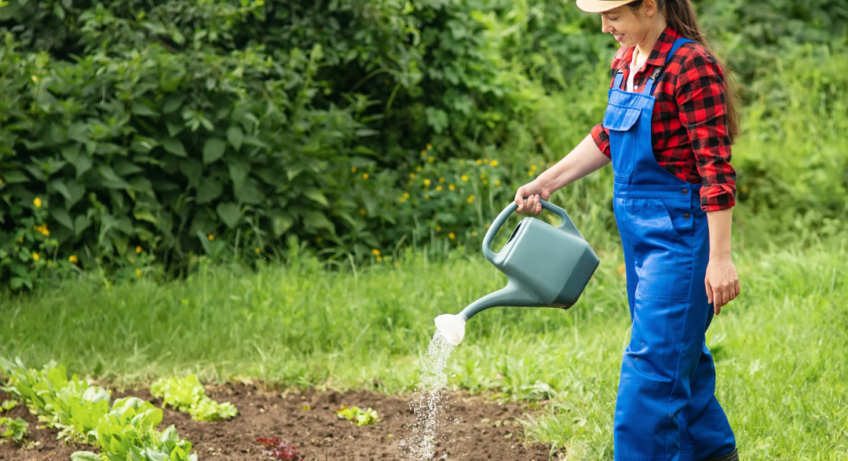
They want a garden that thrives without guessing; start by matching plants to the light, soil, and time you actually have. Choose easy, climate-appropriate plants and plan beds by sunlight and water needs to make steady progress and avoid common mistakes.
This guide lays out practical steps and simple principles to help them design a manageable plot, whether in containers, raised beds, or a small yard. It covers site assessment, plant selection, spacing, and basic maintenance so they can build confidence and see results.
Fundamentals of Garden Planning for Beginners
A good garden starts with realistic space assessment, soil know-how, and a clear planting timeline. Practical choices about layout, plant types, and tools make maintenance manageable and improve harvests or blooms.
Assessing Your Space and Sunlight
They should map the yard with measurements and note existing structures, slopes, and drainage patterns. Use a simple sketch showing dimensions, fence lines, patios, walkways, and utilities; mark areas that stay wet after rain.
Observe sunlight over three days: record full sun (6+ hours), partial sun/shade (3–6 hours), and full shade (less than 3 hours). Track morning versus afternoon light because the afternoon sun is hotter and affects plant choice.
Consider microclimates created by walls, pavement, or trees. Measure soil moisture by digging a small hole and feeling the depth; use potted plants to test sun tolerance in suspect spots.
Choosing a Garden Style and Layout
They should pick a style that fits their lifestyle: productive vegetable beds, low-maintenance ornamental borders, a mixed edible-ornamental garden, or container-focused patios. Prioritize access to water and daily views for high-use beds.
Compare common layouts: raised beds concentrate soil and simplify weeding; in-ground rows work for larger spaces and cheaper soil amendment; containers suit balconies or small patios. Sketch planned paths to allow a 2–3 foot walkway between beds for comfortable access.
Plan for rotation and succession planting for vegetables to maintain soil health. For mixed gardens, place taller plants on the north side to avoid shading shorter crops.
Selecting Suitable Garden Types
They should choose gardening types that match time, budget, and goals: raised bed gardens for better soil control, in-ground gardens for deep-rooted crops, and container gardens for limited space. Raised beds reduce compaction and warm earlier in spring.
Use raised garden beds for vegetables like tomatoes, peppers, and salad greens; choose containers for herbs, strawberries, and dwarf tomatoes. In-ground rows benefit root crops such as carrots and parsnips, where deep, native soil is good.
Consider a dedicated herb garden near the kitchen for frequent harvesting. For low-effort color, plan an annuals-and-perennials flower garden with easy-to-grow perennials like coneflower and daylily.
Understanding Plant Selection and Hardiness Zone
They should identify their USDA hardiness zone to choose perennial and woody plants that survive winters. Use the USDA zone map or state extension resources and check plant labels for zone ratings.
Select easy-to-grow plants for beginners: salad greens, radishes, bush beans, mint, basil, marigolds, nasturtiums, and zinnias. For perennials, consider asters, sedum, and hostas matched to shade or sun conditions.
Use companion planting principles: pair beans with corn or cucumbers with nasturtiums for pest deterrence and pollinator attraction. Build a plant list that notes sun requirement, water need, days-to-harvest (for vegetables), and hardiness zone.
Establishing Garden Size and Location
They should start small: a 4×8-foot raised bed or three 2×2 containers allow learning without being overwhelmed. Factor in how much time they can commit; a 4×8 bed typically takes 1–2 hours per week in peak season.
Place the garden within 50 feet of a water source to reduce hauling. Choose a visible location from the house for daily care and pest monitoring.
Avoid low spots prone to late frosts or standing water. For vegetable gardens, orient rows north-south to maximize even sunlight on leaves.
Soil Testing and Preparation
They should perform a soil test through a local extension or a commercial lab to get pH, macronutrient levels, and organic matter percentage. Follow test recommendations for lime or sulfur to adjust pH and specific fertilizer rates.
Improve texture by adding compost: work 2–4 inches of compost into the top 6–12 inches of bed soil. For heavy clay, incorporate coarse sand and gypsum per extension guidance; for sandy soil, add 3–4 inches of compost and organic mulch to increase water retention.
For raised beds, use a mix of topsoil, compost, and well-aged manure or a commercial raised-bed mix. Record amendments and dates in a garden planner for future reference.
Essential Gardening Tools and Equipment
They should invest in a few quality tools: a sturdy digging spade, a flat shovel, a hand trowel, a garden fork, a hoe, pruning shears, and a watering wand or hose with an adjustable nozzle. A good pair of gloves and knee pads reduces fatigue.
Choose raised-bed specific tools—narrow trowels and short handles—for close work. For container gardens, a small hand rake and pruners suffice.
Add a basic soil pH meter and a compost bin for on-site soil improvement. Store tools in a dry shed or locking box to prolong life and maintain safety.
Determining Frost Dates and Creating a Planting Schedule
They should find local last spring frost and first fall frost dates via the USDA, state extension, or online frost-date calculators. Use these dates to create a planting calendar that lists start dates for indoor seed sowing and direct sowing outdoors.
Plan seedlings: start tomatoes 6–8 weeks before last frost, peppers 8–10 weeks, and brassicas 4–6 weeks. Direct-sow cool-season crops (lettuce, peas, radishes) 2–4 weeks before the last frost in many zones, and warm-season crops (beans, squash) after the last frost.
Build succession planting windows to maintain continuous harvests: sow lettuce every 2–3 weeks for summer harvests and stagger carrot plantings every 3–4 weeks. Note specific days-to-harvest and transplant dates on a printable calendar.