
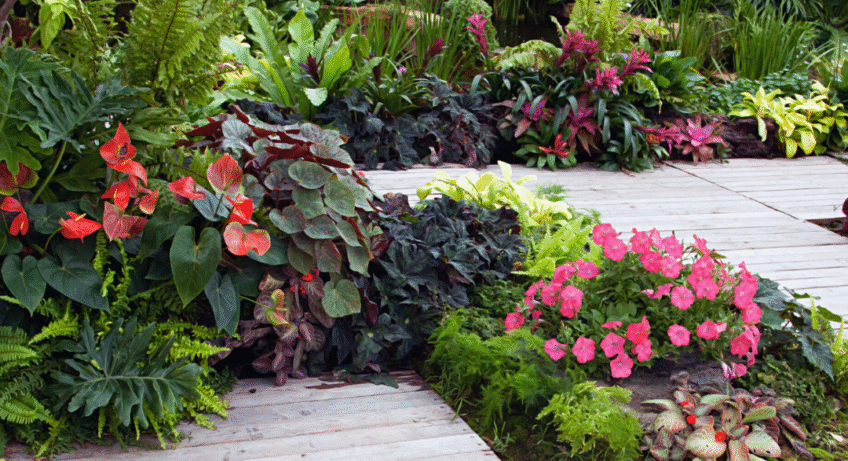
Small backyards can inspire creativity and innovation in garden design. Incorporating vertical gardening, multi-functional furniture, and layered plantings can transform even the tiniest spaces into vibrant retreats. With the right ideas, limited square footage can lead to stunning outdoor experiences.
Utilizing space efficiently is key to achieving a beautiful garden. Many successful designs focus on making the most of what is available, creating the illusion of a larger area through strategic layouts and plant choices.
This blog will explore various garden design ideas tailored for small backyards, offering practical tips and inspiring examples to awaken the gardener in anyone, regardless of the space they have.
Assessing and Planning Your Small Backyard
Understanding the specific characteristics of a small backyard is essential for effective design. Proper assessment and planning can lead to a more functional and aesthetically pleasing outdoor space.
Evaluate Your Site
To begin, assessing the site is critical. Factors to consider include sunlight exposure, soil type, and drainage.
- Sunlight: Identify which areas receive full sun, partial shade, or full shade throughout the day. This will determine suitable plant choices.
- Soil: Conduct a soil test to check pH and nutrient levels. This information helps to select appropriate plants and amendments.
- Drainage: Observe how water collects during rain. Areas prone to pooling may require raised beds or drainage solutions.
By understanding these elements, one can better tailor the garden design to the unique conditions of the space.
Setting a Garden Theme
Choosing a cohesive garden theme enhances visual appeal. It’s beneficial to decide on a style that resonates with the homeowner’s preferences and complements the property.
Some popular themes include:
- Minimalist: Focusing on clean lines and a limited plant palette.
- Cottage: Incorporating a variety of colorful flowers and informal plantings.
- Zen: Utilizing rocks, gravel, and a few carefully placed plants to create tranquility.
The theme guides decisions on materials, plants, and layout. It also makes the space feel more coherent and intentional.
Considering Consent and Budget
Before starting any project, reviewing local regulations is important. Certain areas require permits or adherence to specific guidelines.
- Consent: Check with local authorities for any restrictions regarding fencing, structures, or plant species.
- Budget: Define a realistic budget. Consider costs for plants, materials, and labor. Prioritize essential features and use cost-effective options for less critical elements.
Having a clear understanding of these factors ensures a smoother design process and prevents unexpected complications.
Creative Garden Design Ideas for Small Spaces
Small backyards can benefit from innovative design choices that enhance both functionality and aesthetics. By incorporating garden rooms, hardscaping solutions, and strategic pathways, these spaces can become more appealing and usable.
Maximizing Space with Garden Rooms
Garden rooms provide a unique opportunity to create outdoor living spaces without taking up much yard area. These structures can serve as studios, offices, or relaxation areas. Choosing a design that incorporates large windows optimizes natural light and offers views of the garden.
The use of multi-functional furniture inside can enhance usability. For instance, a foldable table or storage benches can transform the space as needed. Additionally, selecting compact, portable options ensures that the room does not overwhelm the yard.
Integrating greenery, like climbing plants or vertical gardens, into the design helps blend the space with the outdoors. This provides a seamless transition and maintains a sense of openness, making the garden room a desirable retreat.
Hardscaping Solutions
Hardscaping plays a critical role in small yard design by providing structure and functionality. Choosing the right hardscape materials can define spaces and enhance visual appeal. Options like stone, brick, or concrete can create defining features such as raised beds or seating areas.
Consider using raised planters to incorporate gardening without occupying too much ground space. These can also help with drainage and accessibility. When designing pathways, opting for permeable pavers can reduce water runoff while adding a modern touch.
Incorporating seating into hardscape designs can also improve social interaction. Built-in benches or patio areas allow for outdoor gatherings without requiring excessive yard area.
Pathways and Pavers
Pathways enhance mobility and organization in a small garden. Using pavers can define routes and allow for distinct areas within the yard. Strategic placement can lead to garden rooms, seating zones, or points of interest, optimizing the layout.
Selecting smaller, irregular pavers can create an inviting and informal look. They can also be easier to install and adjust in tightly packed spaces.
Additionally, linking pathways with soft landscaping creates a harmonious balance between hard and soft elements. Incorporating ground cover plants or gravel alongside pathways enhances texture while maintaining functionality. With careful planning, pathways can elevate the overall landscape design.
Selecting and Arranging Plants for Impact
Selecting the right plants and arranging them effectively can transform a small backyard into a visually appealing space. This involves choosing plants that offer both aesthetic value and practicality based on the garden’s environment.
Choosing the Right Plant Selection
Selecting plants for small backyards requires a focus on both size and impact. He or she should consider using a mix of perennials, annuals, and shrubs to create varied textures and colors throughout the seasons. Native plants are beneficial as they adapt easily to local conditions, require less maintenance, and support local wildlife.
For a balanced layout, it is effective to select taller plants for the back and shorter ones for the front. This layering creates depth and visual interest. A table showing suitable plant choices can help:
| Plant Type | Characteristics |
| Native Perennials | Low maintenance, vibrant blooms |
| Shrubs | Structure, year-round interest |
| Drought-tolerant | Water-saving, hardy varieties |
Ornamental Grasses and Ground Cover
Ornamental grasses add texture and motion to the garden. They can serve as both focal points and background elements that enhance other plantings. Varieties like Miscanthus or Carex are perfect for small spaces, as they grow upright without overwhelming the area.
Ground cover plants, such as creeping thyme or sedum, can fill in gaps and prevent weed growth. They create a lush carpet effect, reducing the need for lawn space. Utilizing a combination of both can create a layered landscape, increasing visual richness while maintaining low upkeep.
Using Drought-Tolerant and Native Plants
Incorporating drought-tolerant plants is crucial in any sustainable garden design. Succulents, lavender, and certain varieties of sedum thrive with minimal watering and require little maintenance. These plants provide beautiful blooms and foliage while conserving water.
Native plants, such as coneflower or black-eyed Susan, are adapted to the local climate and soil conditions, making them excellent choices for small backyards. They offer seasonal interest and support local pollinators. By choosing these plants, he or she can enhance biodiversity and ensure the garden remains vibrant throughout the year.
Enhancing Outdoor Living and Functionality
Small backyards can be transformed into functional, enjoyable spaces with thoughtful design choices. Incorporating outdoor furniture, versatile play areas, cooking options, and even swimming pools enhances usability and aesthetic appeal.
Outdoor Furniture and Lighting
Investing in space-saving outdoor furniture is essential for small backyards. Folding tables and stackable chairs maximize available space while still allowing for social gatherings. Benches with storage underneath can serve dual purposes, providing seating and hidden storage for cushions or gardening tools.
Lighting options should complement the outdoor setting. String lights or solar-powered lanterns add warmth and ambiance while ensuring safety during evening gatherings. Pathway lights guide guests and can be integrated into garden beds for functional beauty.
Designing Play Areas and Dog Runs
Creating dedicated play areas for children or dog runs can significantly enhance backyard functionality. For children, consider modular climbing frames or a sandbox that can be easily incorporated into smaller spaces. Using non-toxic materials ensures safety while promoting fun.
For pets, a designated dog run is valuable. Installing a secure, fenced area allows pets to roam safely. Artificial turf can be ideal for low-maintenance needs, paired with agility equipment for interactive play.
Adding Dining Patios, Fire Pits, and Outdoor Kitchens
A dining patio can serve as the centerpiece for outdoor entertaining. Choose a compact dining set that allows for expansion with additional seating when needed. Incorporating a fire pit makes the space usable year-round, providing warmth and a cozy atmosphere.
Outdoor kitchens maximize cooking functionality. They can be as simple as a grill station or include a full setup with cabinets and countertops. Integrating a prep space or bar area enhances the outdoor cooking experience, fostering gatherings around a shared meal.
Incorporating Swimming Pools in Small Backyards
Adding a swimming pool in a small backyard is achievable with the right planning. A plunge pool or spa-style pool requires less space while offering a refreshing retreat. Infinity edges can create an illusion of a larger space, making it visually appealing.
Incorporating the surrounding deck space allows for lounge chairs and tables without consuming the entire yard. Consider built-in planters or seating walls for added functionality. Regular maintenance becomes crucial, including cleaning systems and seasonal care to ensure longevity and enjoyment.